
Electrical Emergency Cover Protect Your Home When the Power Goes Wrong
An electrical fault does not wait for a convenient moment. A tripped fuse box, dead sockets, or failed wiring can happen any time.
- Included in your annual Gold or Platinum plan — parts, labour & call-outs included
- Qualified electricians diagnose and fix faults
- No invoice surprises after the job
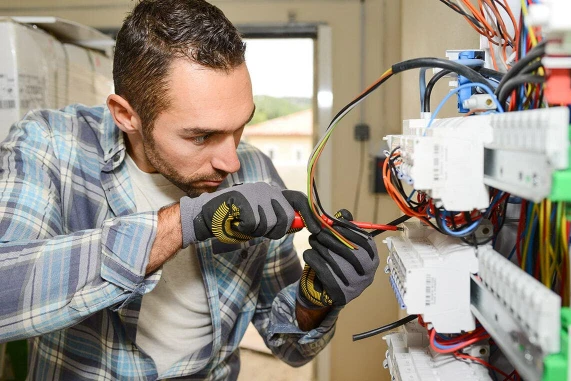 Electrical Cover
What Is Electrical Emergency Cover?
It protects your home's mains electrical system against unexpected faults and breakdowns. When something fails, you call one number. A qualified electrician arrives, diagnoses the fault, and fixes it. Parts and labour are included. No invoice surprises after the job.
Your standard home insurance does not cover this. It pays for damage caused by an electrical fault. It does not pay to fix the fault itself. Electrical emergency cover fills that gap.
What Does It Cover?
A solid policy covers the following:
Fuse box faults& consumer unit
Wiring failuresacross property
Sockets & switchesbroken or faulty
Light fittings& dimmer switches
Extractor fansdoorbells & smoke alarms
Outside lightingfixed to home
What Is Not Covered?
- Electrical appliances — washing machines, ovens, and fridges are not covered
- Burglar alarms, solar panels, storage heaters — and underfloor heating are excluded
- Complete rewiring — of your property falls outside standard cover
- Rubber or lead-covered cables — in older properties are commonly excluded
Landlords, Know Your Legal Duties
Landlords must have their electrical systems inspected every five years, or at every change of tenancy. This is required under the Electrical Safety Standards in the Private Rented Sector Regulations 2020.
EICR requirements
The inspection produces an Electrical Installation Condition Report (EICR). You must give a copy to your tenant within 28 days. New tenants must receive one before moving in.
Fine up to £30,000
Failing to comply carries a fine of up to £30,000. Electrical cover means faults get fixed fast — you stay compliant and your tenants stay safe.
Is It Worth It?
A single emergency call-out with one hour of diagnosis and repair typically costs between £230 and £330. Cover costs far less than a major repair — one emergency claim can be worth more than a year’s premium.
| What you're comparing | Typical cost |
|---|---|
| Emergency call-out fee | £60 – £120 |
| Fault diagnosis (extra) | £80 – £150 |
| Consumer unit replacement | £350 – £750 |
| Full emergency repair visit | £230 – £330 |
For landlords, a tenant without power is a legal emergency. Cover means you act immediately, every time.
Frequently Asked Questions
No. Home insurance covers damage caused by faults. It does not cover fixing the fault itself. Electrical cover does.
New policies have a 14-day waiting period. Pre-existing faults are never covered.
No. Cover protects your mains electrical system only. Appliances like fridges and washing machines are excluded.
It is an Electrical Installation Condition Report. Only a NICEIC, NAPIT, or ELECSA certified electrician can carry one out legally. Landlords need one every five years by law.
Yes. Each property gets its own policy. Cover includes fault repairs for all properties under your plan.