
Plumbing and Drainage Cover Stop Leaks and Blockages Becoming Expensive Emergencies
A blocked drain or burst pipe never happens at a good time. In the UK, repairing a burst pipe costs between £150 and £600. Emergency call-outs add another £100 to £120 on top.
- Included in your annual Gold or Platinum plan — parts, labour & call-outs included
- No surprise bills or midnight plumber searches
- Qualified plumbers on every visit
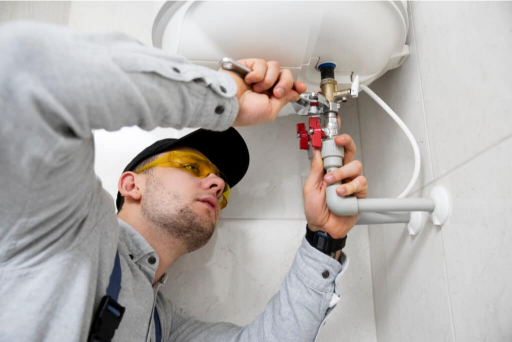 Plumbing & Drainage
What Is Plumbing and Drainage Cover?
It is a protection plan for your home's pipes, drains, toilets, and water supply. When something goes wrong, you call one number. A qualified plumber arrives, diagnoses the fault, and fixes it. Parts and labour are included.
Your standard home insurance does not cover this. Buildings insurance pays for water damage after a leak. It does not pay to fix the cause. Plumbing and drainage cover fills that gap.
What Does It Cover?
A good policy covers the following:
Burst & leaking pipesinside property
Blocked drainsinternal & external
Toiletswon't flush
Leaking taps& overflows
Water tanks& stop taps
Supply pipeboundary to home
Who It's For
Hover each card to read more
Homeowners
Why cover makes sense →
Homeowners
If a pipe bursts on a Sunday evening, you are responsible. Without cover, you pay the full emergency rate.
Landlords
Your legal obligations →
Landlords
Under Section 11 of the Landlord and Tenant Act 1985, you must keep pipes, drains, and all water installations in proper working order. If a tenant reports a plumbing fault, you must act. Cover means an engineer is booked immediately — you stay legally compliant without the stress.
Is It Worth It?
One emergency call-out often costs more than a full year of cover. For older properties, pipes fail more often and repair bills run higher.
| What you're comparing | Typical cost |
|---|---|
| Gold plan (includes plumbing cover) | £115 / year |
| Platinum plan (includes plumbing cover) | £125 / year |
| Burst pipe repair (avg) | ~£222 |
| Unblock a toilet (avg) | ~£146 |
| Blocked external drain | £400+ |
If you own your home or a rental property, cover makes clear financial sense.
What Is Not Covered?
No policy covers everything. Common exclusions include:
- Pre-existing faults — any problem that existed before your cover started
- Shared drains — responsibility depends on where the blockage sits
- Pipes outside your boundary — your water company is responsible for the main sewer
- Damage caused by misuse — flushing wipes or pouring grease down drains may be excluded
How to Prevent Plumbing Problems
A few simple habits make a real difference. Catching problems early costs far less than emergency repairs.
Never pour cooking fat or grease down the sink — it solidifies and causes serious blockages.
Do not flush wet wipes, even ones labelled flushable — they cause fatbergs in drains.
Know where your stopcock is — turn off water immediately if a pipe bursts.
Insulate pipes in lofts and unheated spaces before winter — frozen pipes crack and burst.
Get drains checked if you notice slow drainage, gurgling sounds, or bad smells.
How to Make a Claim
The process is straightforward. You pay nothing on top — zero excess, no invoice, no extra charges.
Call or log online
Call our claims line or log online — describe the fault clearly.
Engineer booked
Same-day attendance aimed for emergencies.
Fault fixed
Engineer arrives, fixes the fault, replaces parts as needed.
No extra bill
You pay nothing extra — zero excess. No invoice after the visit.
Frequently Asked Questions
New policies have a 14-day waiting period. Pre-existing faults are never covered.
Not usually. Buildings insurance covers water damage to your property. It does not cover fixing the pipes or drains that caused it.
If a drain serves only your property, you are responsible. If it serves multiple properties, your water company or local authority may share responsibility. Check with your provider if you are unsure.
Yes. Separate policies per property are available. Each includes a dedicated helpline and cover for your tenants to report faults directly.
Minor issues like a dripping tap are safe to attempt. Anything involving stop taps, supply pipes, or drain systems should go to a qualified plumber. DIY repairs on complex systems can void your cover.