
Roof Damage Cover What Is Covered, What Is Not, and How to Protect Your Claim
A damaged roof is urgent. A rejected insurance claim on top of that is worse. Knowing what your cover includes before something goes wrong can save you thousands.
- Understand what buildings insurance actually covers
- Know the ABI storm definition before you claim
- Protect your claim with the right evidence
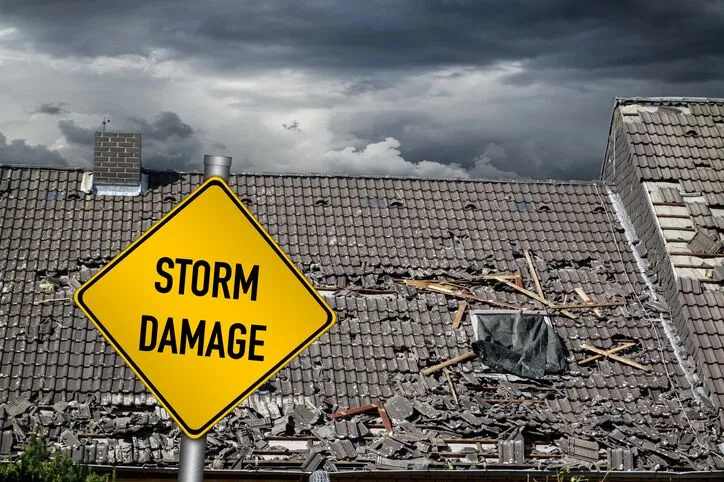 Roof Damage
What Roof Damage Does Buildings Insurance Cover?
Buildings insurance covers sudden, unexpected damage to your roof. Not gradual wear. These events are typically covered:
Storm damagewind, rain, hail, snow
Falling treesor branches
Fire & explosionsudden events
Vandalismmalicious damage
Accidental damageif your policy includes it
Weather claims~19% of UK home claims
What Does "Storm" Actually Mean Under UK Insurance?
This is where many claims fail. Insurers use a specific definition. Under ABI guidance, a storm generally means:
Wind speeds exceeding 55mph
Rainfall of at least 25mm within an hour
Hail intense enough to damage hard surfaces
Snowfall heavy enough to cause structural damage
If conditions do not meet these thresholds, your insurer can reject the claim.
What Is Not Covered?
This is where most claims get rejected.
- Wear and tear — a slowly rotting roof, corroding flashing, or gradually slipping tiles is your responsibility
- Poor upkeep — missing tiles, blocked gutters, or known leaks insurers argue were preventable
- Pre-existing damage — any fault present before your policy started
- Design flaws & faulty workmanship — poorly installed roofs are not insured events
- Moss and algae build-up — signals neglect; clear it regularly and keep records
Landlords, Your Roof Repair Duties Under the Law
Section 11 of the Landlord and Tenant Act 1985 requires landlords to keep in repair all installations including heating, water, and the structure of the property. The roof is part of the structure. If it leaks, you must fix it.
Tenant & council action
Tenants can report you to the local council. Environmental health can issue an improvement notice. In serious cases, tenants can take you to court and claim compensation.
Leaseholders & freeholders
Check your lease. In most cases the freeholder is responsible for the roof and buildings insurance. If you are the freeholder, the obligation falls on you.
What to Do Immediately After Roof Damage
Act the same day. Do not wait.
Photo & video
Document all visible damage from ground level. Do not climb onto the roof.
Stop water ingress
Arrange emergency temporary repairs. Keep every receipt.
Log your claim
Contact your insurer the same day to formally log the claim.
Get a roofer report
Written inspection from a qualified roofer before the loss adjuster visits.
Wait for adjuster
Do not start permanent repairs until the loss adjuster has completed their visit.
Frequently Asked Questions
It depends on the cause. A storm-damaged roof is usually covered. A roof leaking due to wear and tear or neglect is not.
Ask for the rejection reason in writing. Get a second roofer's report. Make a formal complaint to your insurer. After your insurer's final response, you have six months to take your case to the Financial Ombudsman Service.
Landlord buildings insurance covers your rental property's structure including the roof. Standard home insurance does not cover tenanted properties.
At least once a year. Always after severe storms. Keep a written record of every inspection and repair.